Osgood Schlatter’s - Why my kids always complain about their sore knee
April 28, 2026
A black and white image of a wave on a white background.

Osgood Schlatter Disease (OSD)

Osgood Schlatter Disease (OSD) is a growth related disease located at the knee within the similar entity of growth related disease as severs developing at the hind aspect of the heel. OSD involves the development of apophysitis (irritation at the growth plate between the tibial tuberosity and main tibia bone) at top and central part of the tibia known as the tibial tuberosity. Tibial tuberosity is a primarily fibrocartilaginous structure during the early development stage (<8yrs girls, <9yrs boys) which undergoes the process of ossification (laying down of bone) between the ages of ~8-14 with the presence of an growth plate between the tibial tuberosity and the tibial metaphysis (head). Complete ossification or fusion of previous growth plate (complete bony fusion between tibial tuberosity and tibial shaft ends) to form one complete bone is expected to have taken place by around the age of 15+ year for girls and 17+ years for boys. 


Onset is insidious with a gradual worsening presentation without trauma common during the years 9-17 years for males and 8-15 years for females whereby skeletal immaturity coincides with adolescent growth spurts or peak growth years being 11-15 years for girls and 13-16 years for boys. Prevalence rates of the disease during the peak growth years range from 9-12% of children. 


OSD develops on the background of increased patella tendon traction on the tibial tuberosity secondary to the lag between increased bone growth (femoral shaft lengthening) and tendon and muscle lengthening adaptation resulting in increased traction stress at the growth plate leading irritation within this region termed ‘apophysitis’.


Imaging is not a routine requirement as part of diagnosing OSD with a thorough clinical examination generally providing enough conclusive information necessary to make the diagnosis. There is a strong association with the development of OSD within a short time period during or post a peak growth period, sudden increase volume of physical activity or introduction to those sports such as football, gymnastics or netball/ basketball. Sports which require repeat jumping, landing, change of direction, acceleration or deceleration or sustained periods of sprinting components across a continuous period (half or quarter). Symptoms generally present below the patella with a focal distribution around the patella tendon and insertion in the tibia. Acute symptoms will generally subside with a period of rest ranging from minutes through to 24 hours dependent on severity of ‘apophysitis’ present. Other common predisposing factors including poor quadricep, hamstring and soleus flexibility/length, poor quadriceps strength/plyometric control, poor pelvic control and abnormal dynamic foot posture/ biomechanics. 


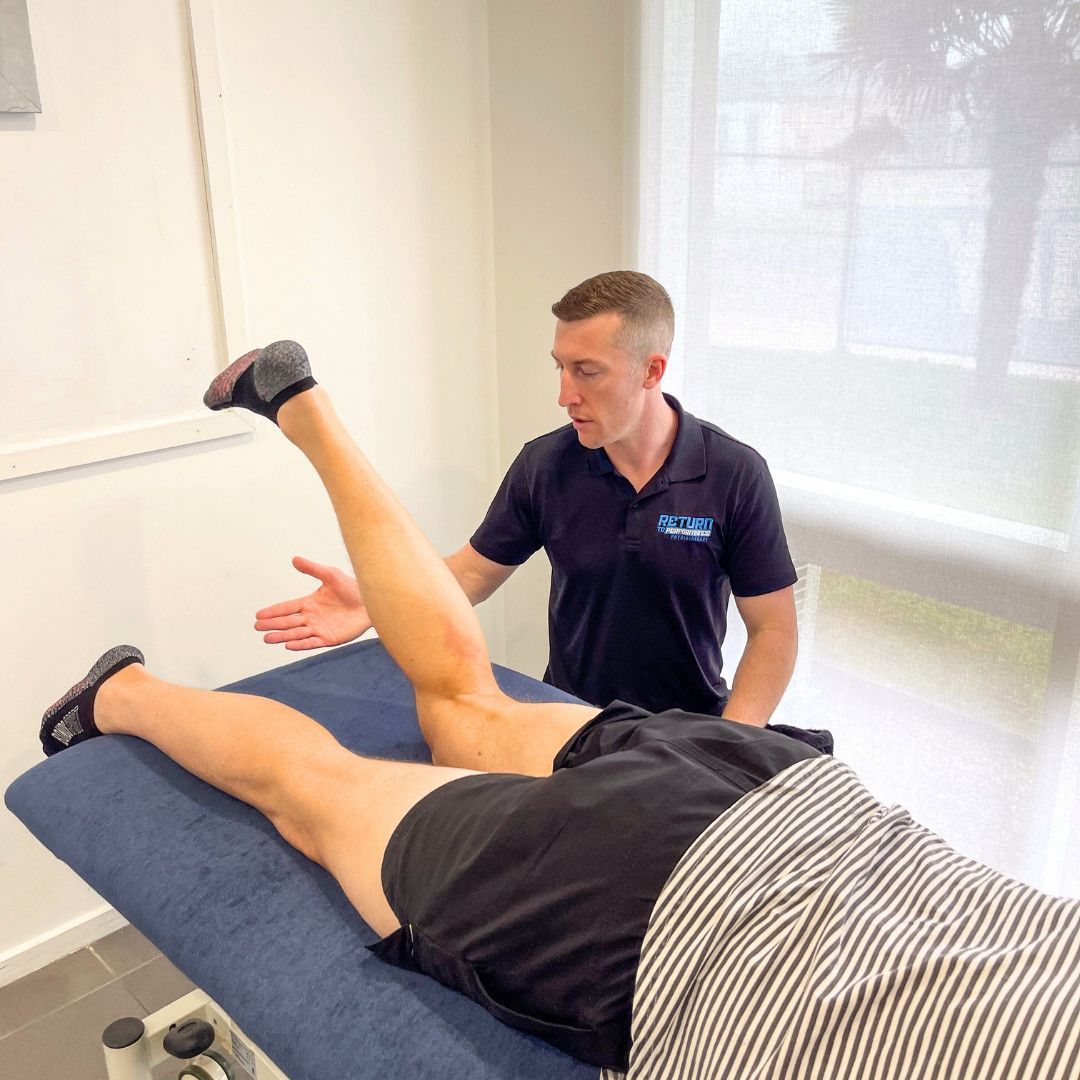
Treatment and management of OSD is centred around managing symptoms until the apophysis fuses. Generally, OSD has an excellent prognosis with full resolution of symptoms within 6 months of good quality conservative treatment when following the prescription of a thorough individualised impairment targeted rehabilitation program. Effective management includes but is not limited to patella tendon style compression taping or bracing, modification of the above modifiable predisposing factors and load management. It’s important to note that while frequency of exercises can reduce to 1-2x weekly post initial ‘rehabilitation phase’, to maintain current strength/plyometric adaptations it is important your child remains consistent with their exercises until full apophysis fusion has occurred to prevent re-lapse and re-flaring of symptoms. Alongside this during the phase of a growth spurt risk for re-flaring of symptoms does increase, if symptoms during this period are unable to be effectively managed with reducing workloads and increasing soft tissue releasing techniques, totally withdrawing the child from the provocative activity/sport until symptoms settle and the lag between tendon/muscle lengthening adaptation has taken place in regards to recent bone growth (lengthening) may be necessary. 
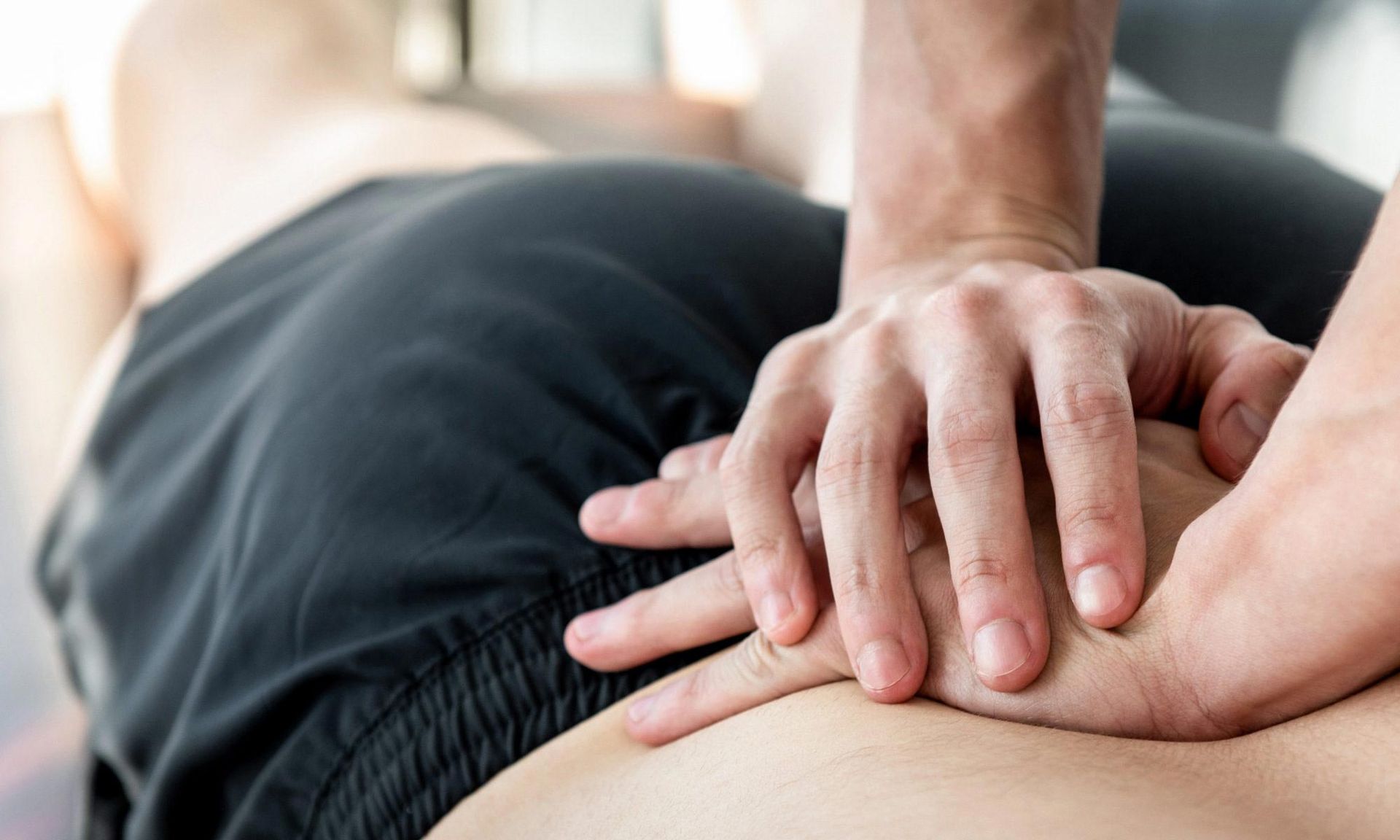
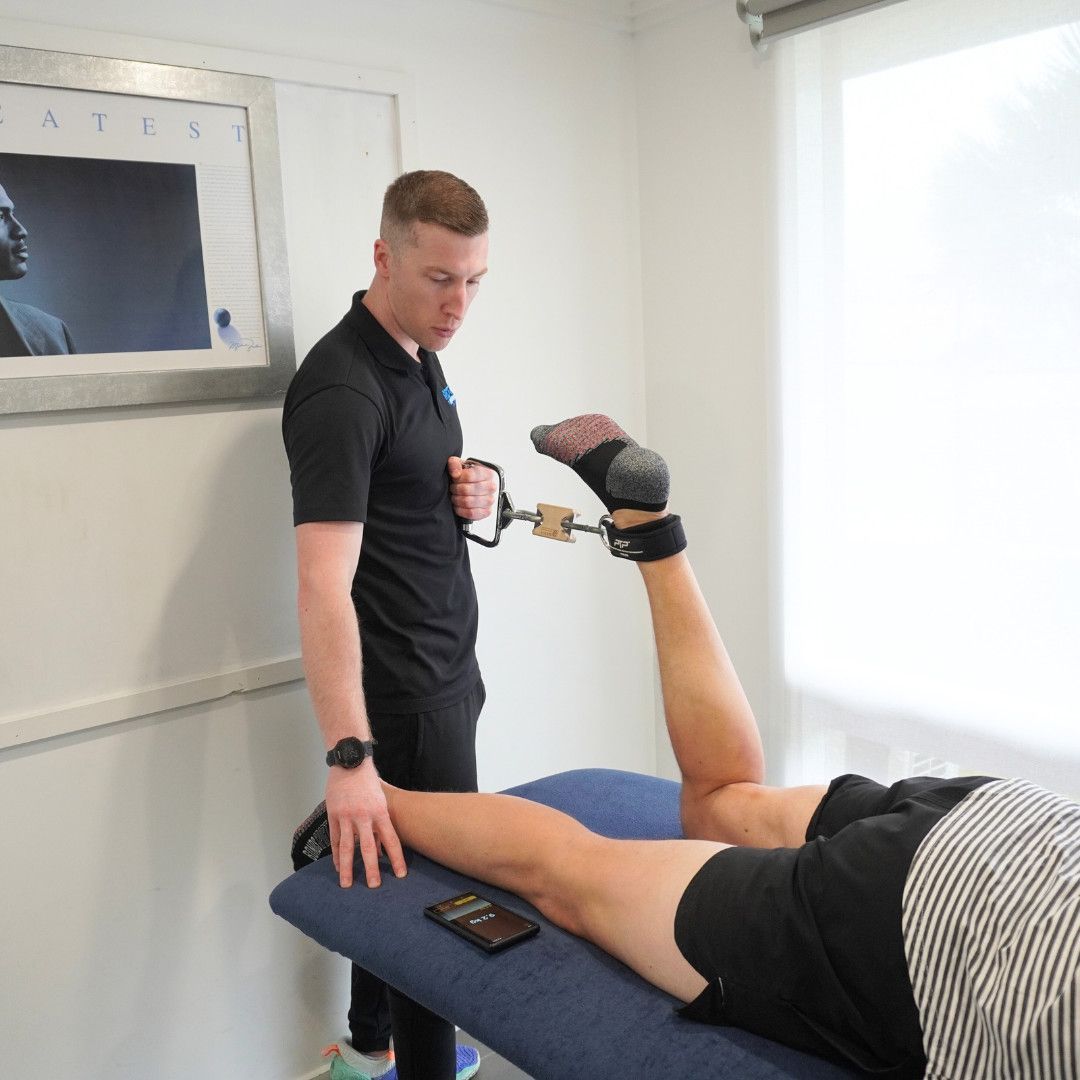
A Physical Therapist Observes a Patient Lying Face-down on a Treatment Table While Lifting ONE Leg to Test Hip Extension
April 17, 2026
Effectiveness of Acute Treatment on Return to Sport timelines
A Person Sitting on a Gym Leg Press Machine — Return to Performance Physiotherapy in Epsom, VIC
By Hamish Richards April 17, 2026
Anterior cruciate ligament (ACL) injury is a catastrophic injury to the structural scaffold of the tibiofemoral joint (thigh and lower leg bone joint) whereby the forces tolerated by anterior cruciate ligament are exceeded resulting in break-down of the ligament tissue either partially or completely (rupture). No two ACL injuries are the same with concomitant injuries common including meniscus tear, bone marrow oedema (BMO), other collateral ligament tearing (MCL/LCL/PCL) and chondral cartilage injury (tissue covering articulating surfaces of the knee joints). Mechanism behind injury of ACL is 70-80% of the time non-contact, whereby the individual is typically landing from a jump, pivoting or decelerating (Renstrom et al, 2008). ACL injuries resultant from contact typically occur with a blow from behind the knee causing a forward shearing force at the knee. Despite the overwhelming research in the ACL space over the past 20 years incidence rates continue to rise with Australia’s ACL incidence rate the highest in the world (Moses and Orchard, 2012) with annual growth rate of 4-8% each year in males and 5-10% each year in females. Highest rates of ACL injury occur within those sports whereby movement patterns include frequent pivoting/cutting. Return to sport rates post ACL injury vary significantly throughout research and are dependent on many differing variables external to the injury itself. Despite high return to sport levels post injury less than 50% return to their previous level of competitive sport and only ~63% return to there pre-injury sport (Arden et al, 2011, 2012). Statistics highlight that those returning to sport 1 in 5 will re-injure within the first 10 years with 50% of these injuries occurring within the first year alone (Shelbourne et al, 2009). 1 in 3 individuals under the age of 20 years that return to sport will sustain a second ACL injury within the first 2 years with greatest risk within the first year post operation (Nagelli and Hewitt, 2016). For every month that return to sport timelines were delayed until 9 months the rate of knee re-injury is reduced by 51% (Grindem, 2016). Not only is allowing time for biological healing a critical piece to effective ACL rehabilitation prior to returning to sport. Also, as critical is following up with your physiotherapist to assist and guide you through the initial process of calming down the knee from a swelling and pain perspective early on post injury/surgery and regaining function including full knee movement regaining lower limb strength and returning to a normalised walking pattern. Through to returning to a fluent running style, re-gaining adequate neuromuscular control, power and agility prior to returning to sport ensuring the individual has achieved the necessary prerequisites unique to the demands of their specific sport. Research evaluating return to sport post ACL repair at 12 months demonstrated only 23% of patients who have returned to sport met all criteria required to pass the recommended physical performance battery prior returning to sport, likely elevating and contributing the risk and level for re-injury rates (Edward et al, 2018). Post-operative rehabilitation has a significant association with greater physical function, most evident in younger patients and is a critical component to restoring physical function necessary to withstand the demands required to not only return to sport but return to the same sport at the same competitive standard. This alarming statistic raises questions regarding can re-injury rates partially be attributed to level of therapist understanding with respect to physical function qualities required to return sport or quality of education provided to patients around those conversations regarding level of physical function necessary to pass the criteria developed to lower potential re-injury rates particularly within the first 2 years upon return to sport. Furthermore, does the therapist have the necessary access to utilise technology required to effectively measure and assess such critical qualities including strength, power and movement patterns before providing clearance for return to sport.