How to Choose the Right Physiotherapist for Your Needs
Choosing a physiotherapist isn't something most people spend a lot of time thinking about — until they actually need one. Then it suddenly matters a lot.
Whether you're dealing with a sports injury, recovering from surgery, managing chronic pain, or just trying to move better, the right physiotherapist can make a significant difference in how quickly and completely you recover. The wrong one? You'll plateau early, waste money, and potentially come away more frustrated than when you started.
Here's how to get it right.
Start With What You Actually Need
Before you search for anyone, get clear on your situation. Physiotherapy covers a wide range of conditions and treatment approaches — and not every physio specialises in the same things.
Ask yourself:
- Is this a sports-related injury or performance issue?
- Are you recovering from surgery?
- Do you have a chronic condition like arthritis, hypermobility, or a neurological disorder?
- Is this pain management, or are you chasing a performance goal?
This matters because physiotherapy is a broad field. A physio who's brilliant at managing post-operative knee rehab might not be the right fit for an elite athlete trying to reduce their injury risk. And one who works primarily with aged care patients might not have the sports science background you need if you play competitive sport.
Be honest with yourself about what you're actually looking for.
Check Their Qualifications and Registration
In Australia, physiotherapists must be registered with the Australian Health Practitioner Regulation Agency (AHPRA). This is non-negotiable. Registration means they've completed an accredited university degree (typically a four-year Bachelor or two-year Masters) and are bound by professional standards.
You can check a physio's registration status directly on the AHPRA website. It takes about 30 seconds and removes all doubt.
Beyond base registration, look for additional qualifications relevant to your needs:
- Strength and conditioning accreditation (such as an ASCA Level 1 or higher) is valuable if you want a physio who understands athletic performance, not just injury repair
- Post-graduate training in areas like sports physiotherapy, musculoskeletal physiotherapy, or pain management signals someone who has gone deeper in their field
- Experience with specific conditions — ask directly whether they've treated your type of injury before
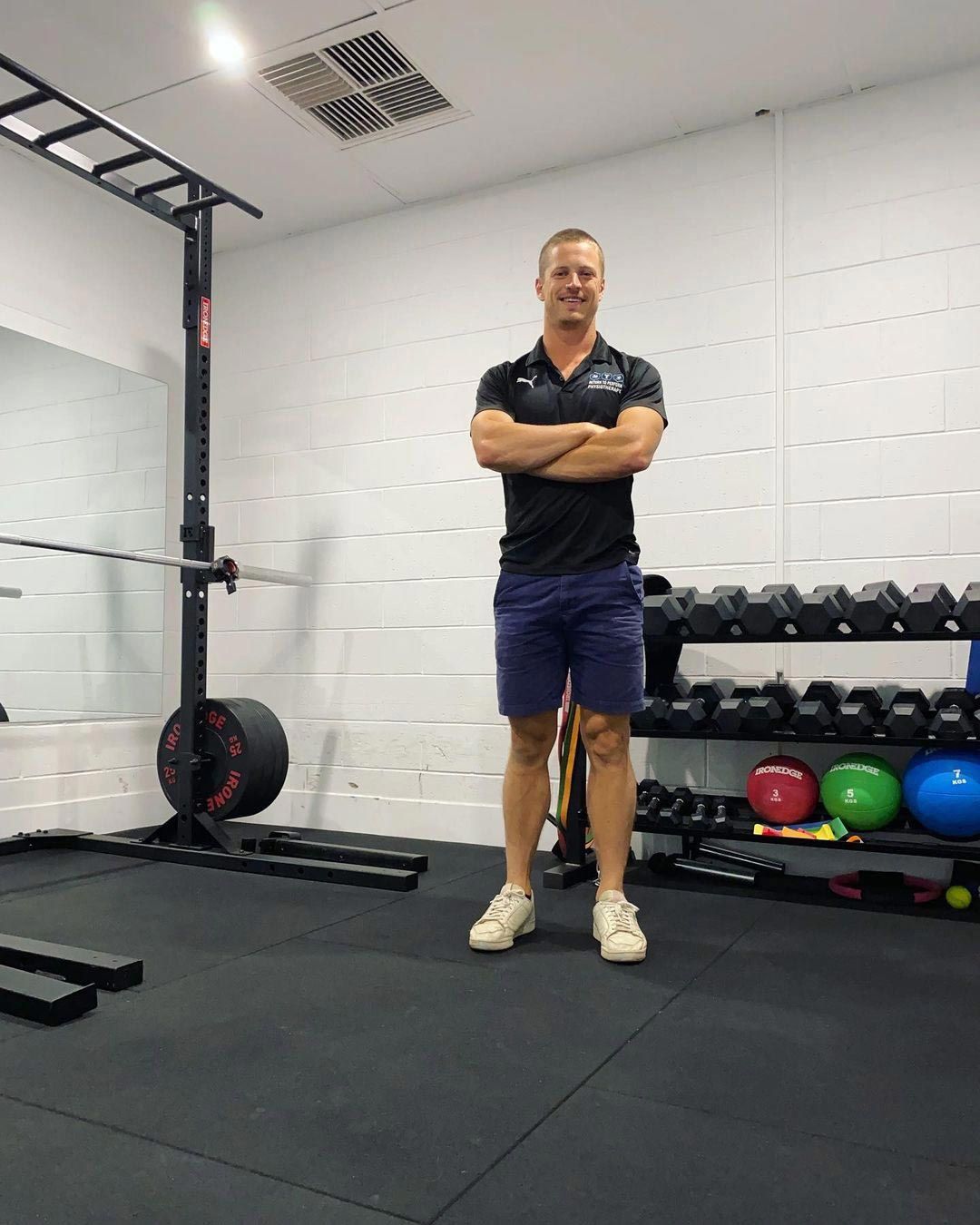
At Return to Performance Physiotherapy, our Head Physiotherapist Chris Adkins holds both a physiotherapy qualification and an ASCA Level 1 Strength & Conditioning accreditation. That dual background shapes the entire treatment philosophy here — recovery isn't just about reducing pain, it's about rebuilding strength and function.
Look for a Physio Who Listens
This sounds obvious, but it gets overlooked constantly.
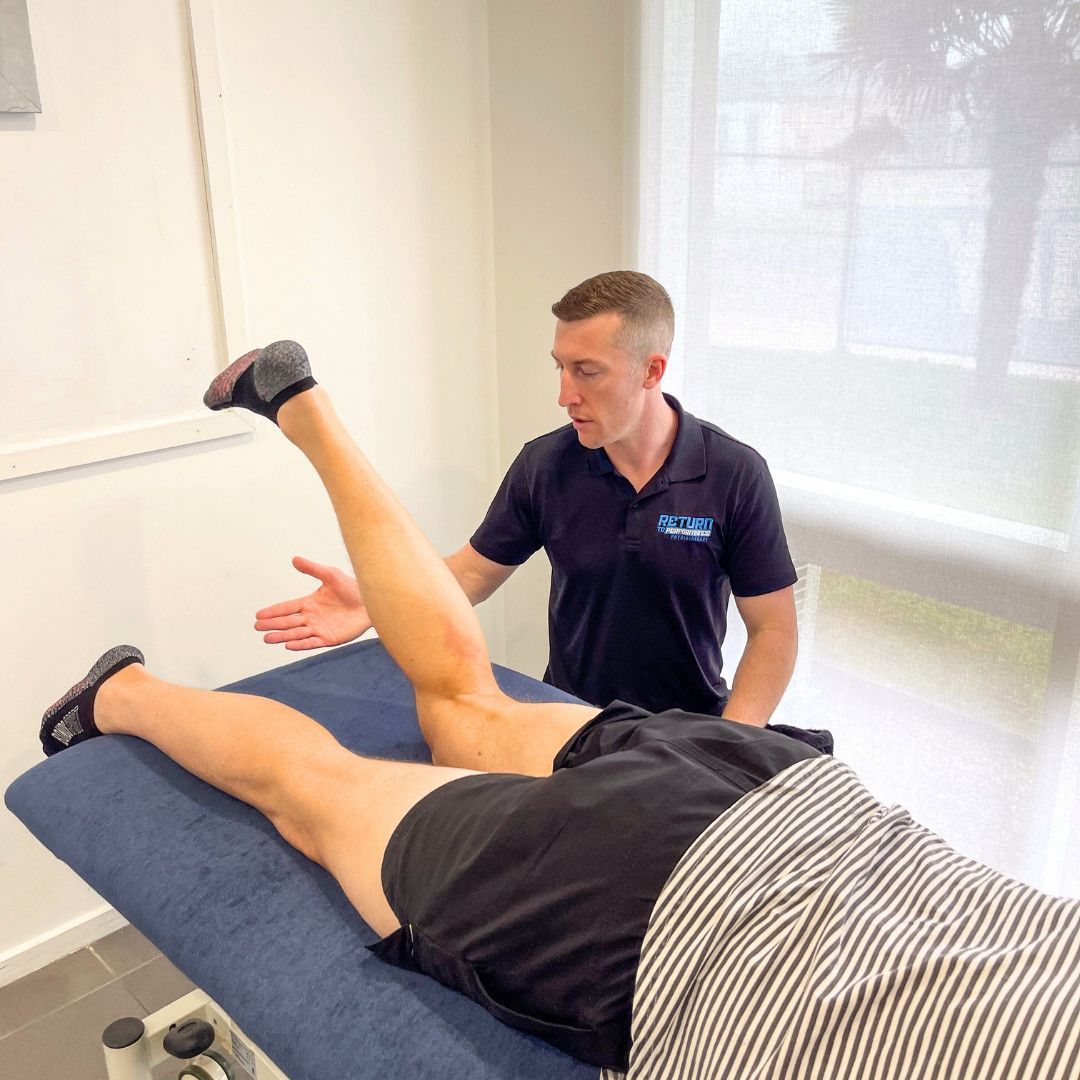
A good physiotherapist takes a proper history before they do anything else. They want to know how the problem started, what aggravates it, what eases it, what you've tried already, and — critically — what you want to be able to do when this is resolved.
If you walk into an appointment and the physio barely asks you anything before they're already working on you, that's a problem. Treatment that isn't informed by your individual situation is generic at best and counterproductive at worst.
Watch for these signals in the first session:
- Do they ask about your goals, not just your symptoms?
- Do they explain what they think is going on and why?
- Do they outline a treatment plan that makes sense for your life and timeline?
- Do they give you homework — exercises or lifestyle adjustments — rather than just expecting you to come back and lie on the table?
The best physiotherapists are educators. They want you to understand your own body so you can play an active role in your recovery.
Consider the Setting and Equipment
Where a physiotherapist works says something about how they work.
A clinic that's essentially just a row of treatment tables with curtains separating them is set up for passive treatment — massage, joint mobilisation, electrotherapy. That has its place. But if your goal is functional recovery, you want a clinic where active rehabilitation is possible.
Look for:
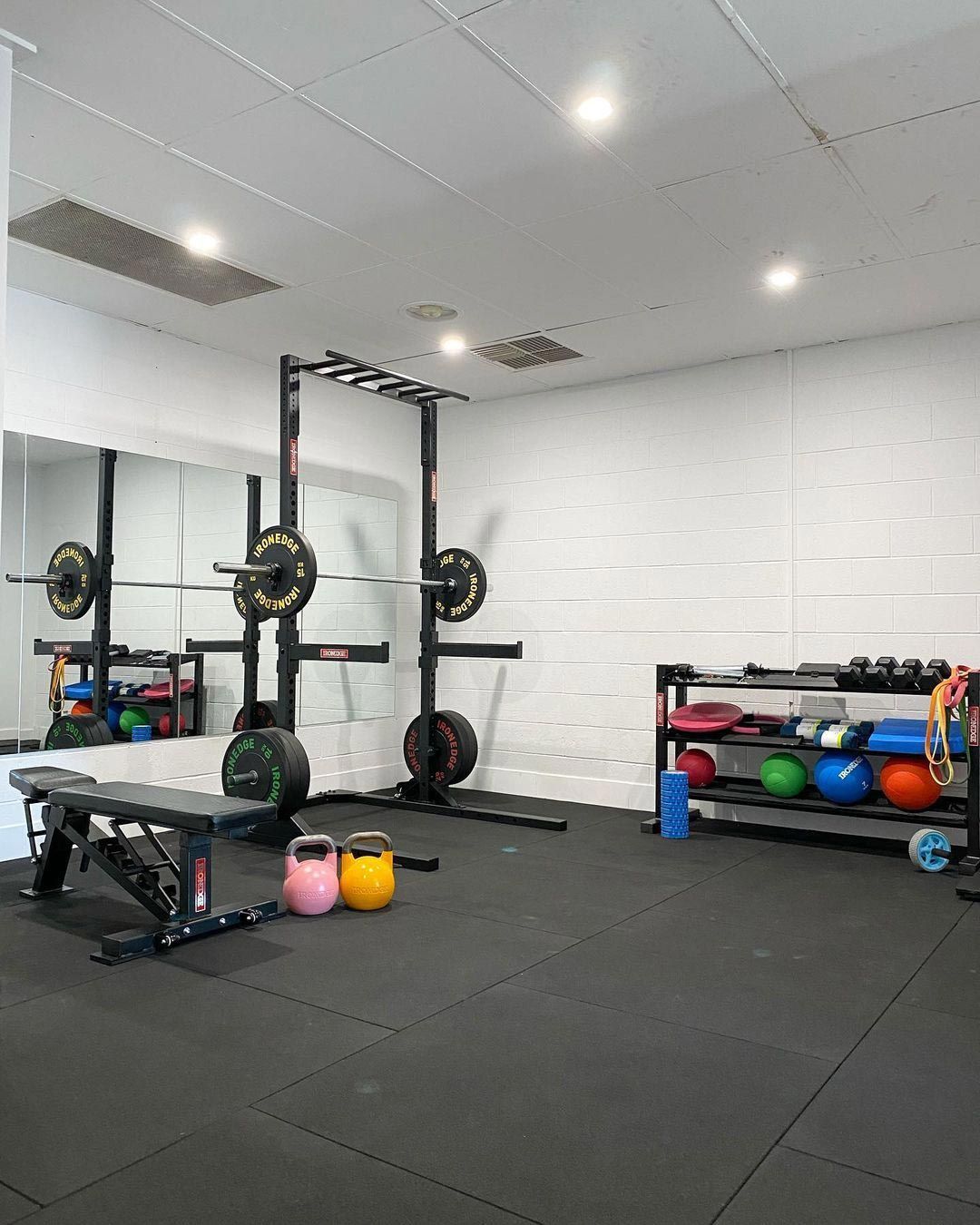
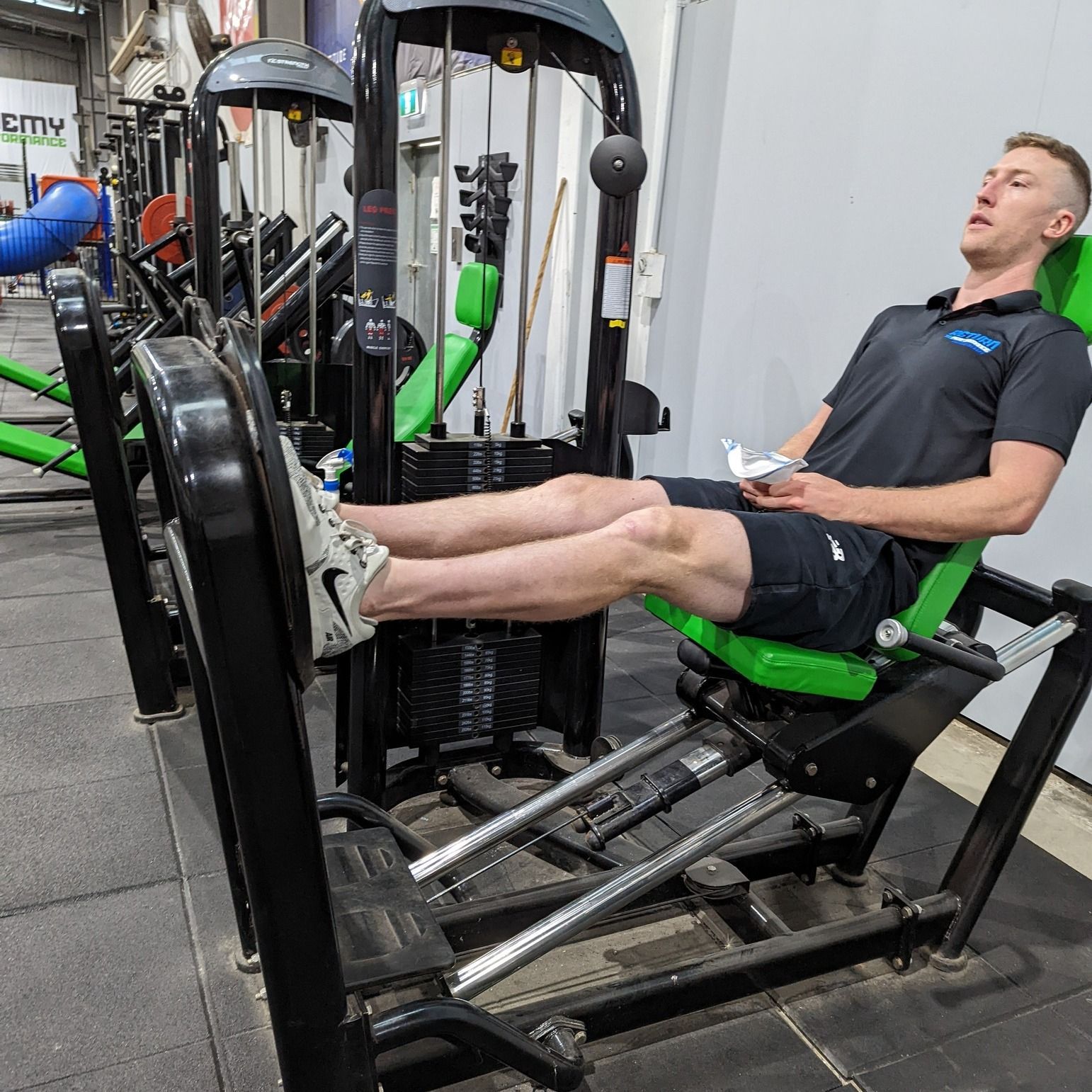
- Access to gym equipment — resistance bands, weights, cable machines — for progressive strength work
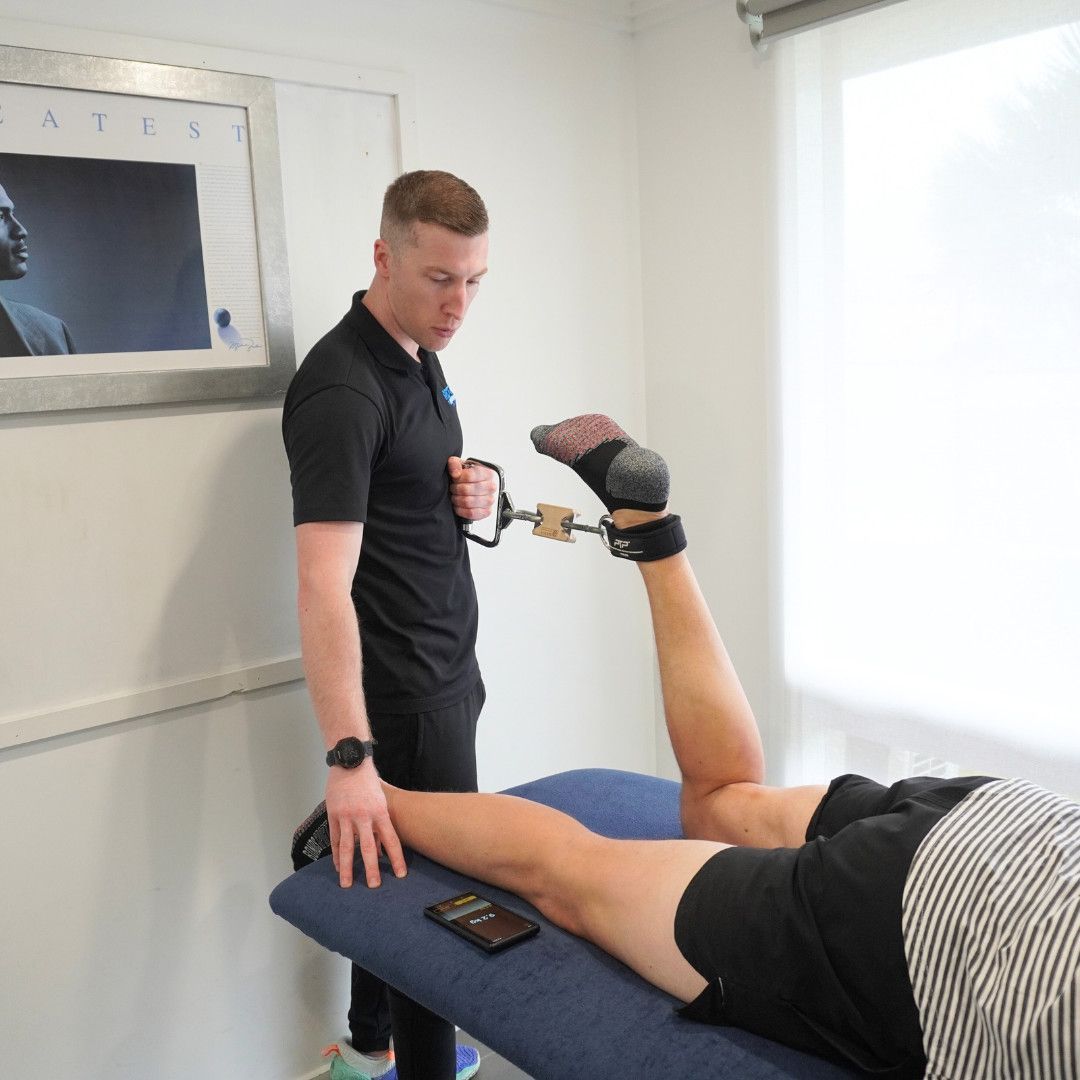
- Technology for assessments — things like force plates can provide objective data on how you're moving and where the asymmetries are
- Space to move — you should be able to walk, jog, squat, and lunge if that's relevant to your rehab
At Return to Performance, all treatments are facilitated in a fully-equipped gym. This isn't incidental — it reflects a belief that getting stronger is central to getting better, not an afterthought you do once the "real" treatment is done.
Ask About Their Treatment Philosophy
Every physiotherapist has a philosophy, even if they've never articulated it explicitly. Some lean heavily on hands-on treatment (massage, dry needling, joint manipulation). Others prioritise exercise-based rehab. The best integrate both.
The question to ask is: "What does your typical treatment approach look like for someone with my condition?"
A good answer will include:
- A mix of manual therapy and active rehabilitation
- A plan that progresses over time — not the same set of exercises every session
- A realistic timeframe and honest conversation about expectations
- An exit strategy — a point at which you no longer need to come in weekly
Be cautious of any physio who can't give you a rough timeline, implies you'll need indefinite ongoing treatment, or dismisses exercise as important.
Location and Practicality Matter More Than You Think
The best physiotherapist in the world is no good to you if getting there is a hassle that means you'll skip appointments. Consistency is everything in physio. Find someone you can see regularly without it becoming a logistical nightmare.
That said, don't sacrifice quality purely for convenience. A slightly longer drive to see a physio with the right expertise will almost always be worth it compared to seeing someone local who's not the right fit for your specific needs.
Don't Ignore Word-of-Mouth
Ask around. Personal recommendations from people who've dealt with a similar issue carry a lot of weight. A friend who's seen a physio for ACL rehab and had a great result is a much more reliable source than a generic Google search.
When you get a recommendation, ask:
- What was the condition they were treating?
- How long did treatment take?
- Did the physio actually explain what was happening?
- Would they go back?
Online reviews have value too — but treat them with some nuance. More on that in a separate post.
Trust Your Gut in the First Session
After your first appointment, you should feel like you understand more about your body and what's going on, have a clear plan, and feel confident that this person knows what they're doing.
You shouldn't feel rushed, confused, or like you've just paid for someone to push on your back for 20 minutes without explanation.
If the first session doesn't give you confidence, it's okay to seek a second opinion. You're not locked in. The right practitioner will welcome your questions and be happy to explain their reasoning.
The Bottom Line
Choosing a physiotherapist comes down to three things: relevant expertise, a genuinely individualised approach, and clear communication. Those three qualities will take you further than proximity or price every time.
If you're in the Bendigo area and want a physio team that blends traditional assessment with progressive strength-based rehabilitation, we'd love to meet you. Book an appointment with Return to Performance Physiotherapy and let's figure out what your body needs.
Return to Performance Physiotherapy is located at 41 Howard Street, Epsom VIC 3551. Call us on [(03) 5448 5556](tel:0354485556) to discuss your needs.