Does Physical Therapy Actually Help Ehlers-Danlos Syndrome?
If you have Ehlers-Danlos Syndrome (EDS), you've probably had a complicated relationship with healthcare. Getting diagnosed often takes years. Once you have a diagnosis, you may have been told there's nothing much that can be done, or you've seen practitioners who simply didn't understand your condition well enough to help.
So it's a fair question: does physiotherapy actually work for EDS?
The honest answer is: yes — but it depends heavily on the approach. Not all physiotherapy is appropriate for hypermobility conditions, and the wrong approach can do more harm than good. Here's what the evidence says, what to look for, and what to expect.
What Is Ehlers-Danlos Syndrome?
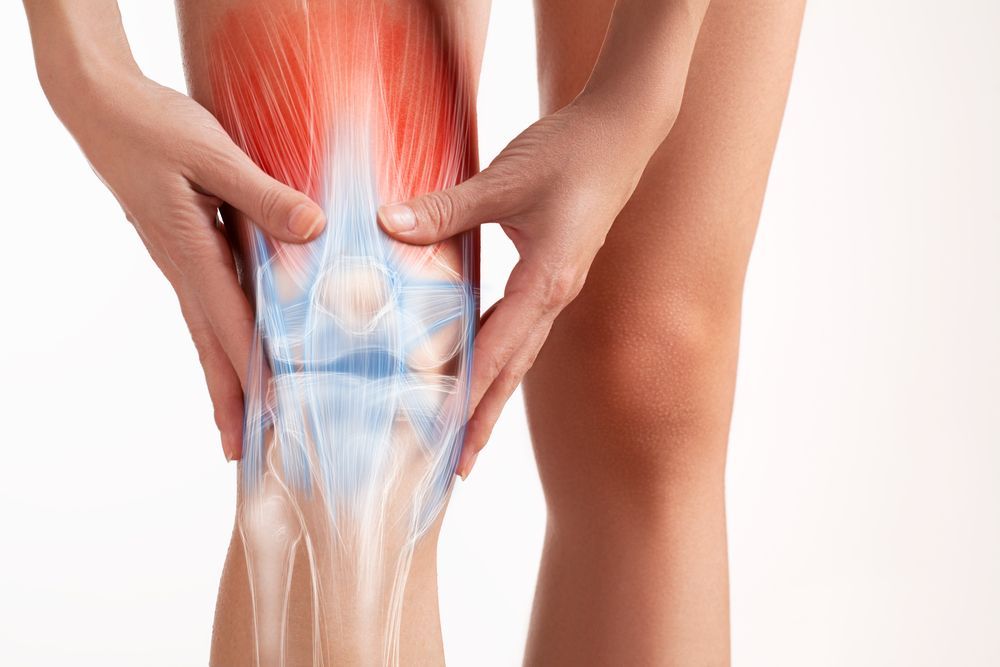
EDS is a group of connective tissue disorders caused by defects in collagen — the protein that gives structure and tensile strength to skin, joints, tendons, and other tissues. There are 13 subtypes, each with different genetic causes and presentations.
The most common type is hypermobile EDS (hEDS), which is characterised by joint hypermobility (excessive range of motion), joint instability, chronic pain, and fatigue. It's also the type for which there is currently no genetic test — it's diagnosed clinically, based on specific criteria.
People with EDS and related hypermobility spectrum disorders (HSD) commonly experience:
- Frequent joint subluxations or dislocations
- Widespread musculoskeletal pain
- Muscle weakness and deconditioning
- Proprioception deficits (impaired sense of where your joints are in space)
- Fatigue and post-exertional malaise
- Autonomic dysfunction (in some cases)
These features have direct implications for how physiotherapy should be approached.
Why Standard Physiotherapy Often Falls Short
Here's a common scenario for people with EDS: they injure a joint, see a physio, and follow a standard rehabilitation protocol. The exercises feel relatively easy — because hypermobility often gives the impression of good range of motion and apparent flexibility. But joint pain persists or worsens. Instability increases.
Why? Because standard rehabilitation focuses on restoring full range of motion and functional strength. In someone with EDS, full range of motion is often part of the problem, not a goal. Pushing through hypermobile range can further stress already-lax ligaments and joint capsules. Stretching, in particular, is frequently unhelpful and can increase instability.
The second issue is pacing. EDS is associated with fatigue and post-exertional malaise for many patients. A progressive loading program that would suit a neurotypical athlete can trigger a significant flare in someone with EDS. Overloading leads to pain, inflammation, and setbacks — which in turn can lead to deconditioning, which makes everything worse.
The third issue is proprioception. People with joint hypermobility often have impaired joint position sense, meaning the brain's feedback on where a joint is in space is less reliable. This contributes directly to injury risk and instability. Addressing proprioception requires specific work — it doesn't happen automatically through standard rehab.
What the Evidence Supports
Despite the complexity, there is good evidence that appropriately designed physiotherapy can meaningfully improve outcomes for people with hEDS and HSD. The key elements are:
Strength Training — Prioritised Above Everything Else
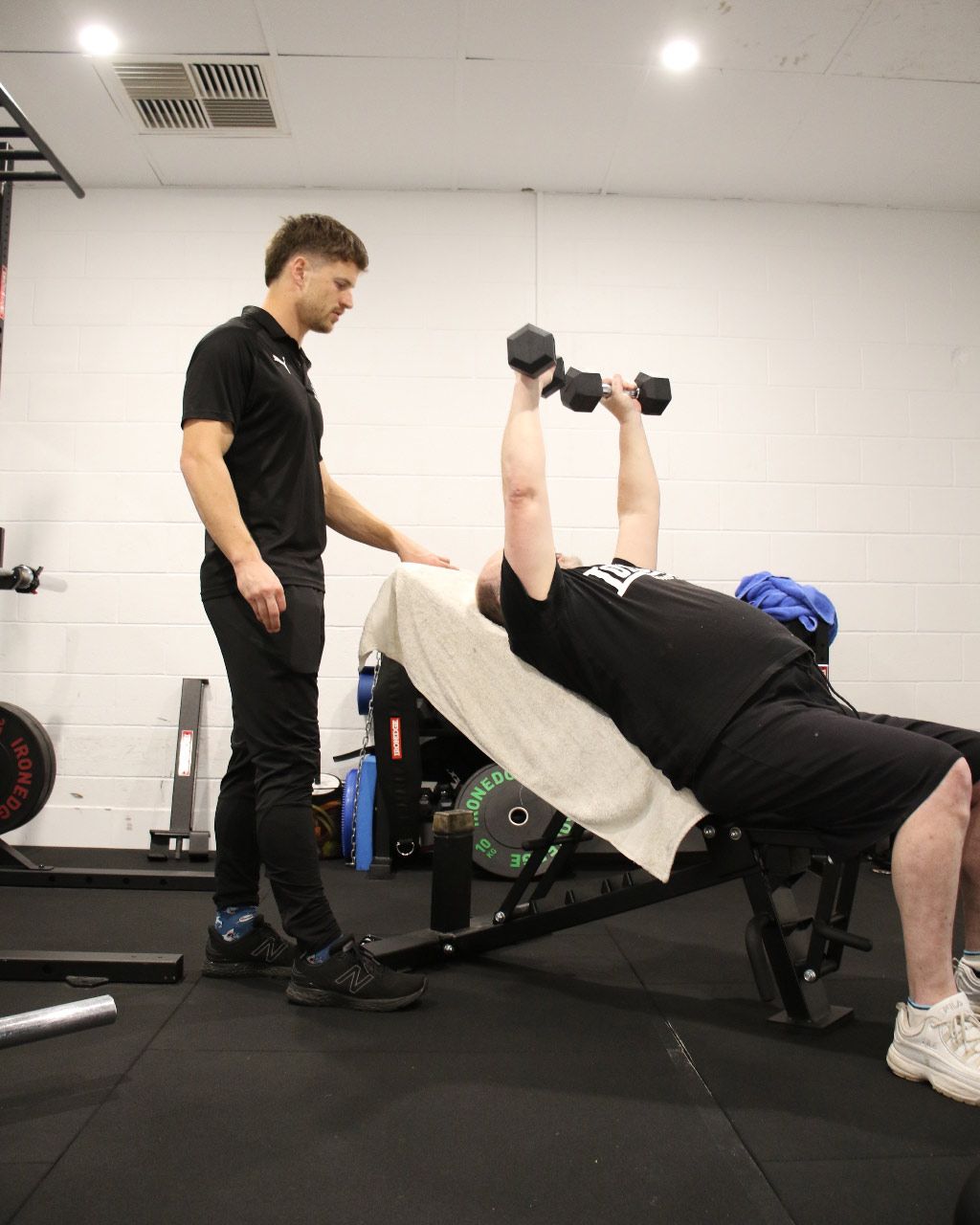
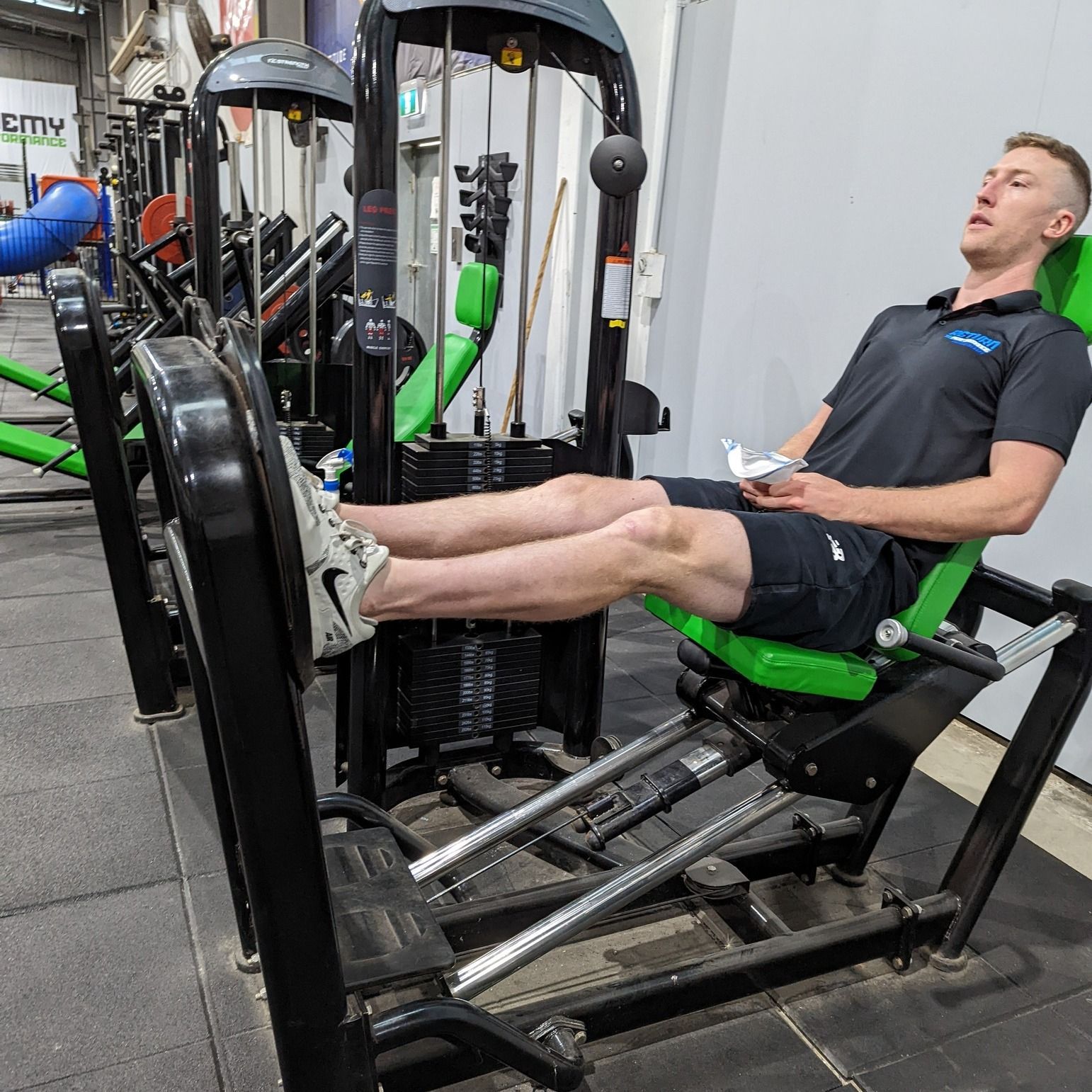
This is the cornerstone of EDS rehabilitation. Because the joints lack structural stability from ligaments, muscles must provide compensatory stability. Building strength in the muscles around affected joints reduces instability, protects against further injury, and reduces pain over time.
Critically, this is not about flexibility or stretching. It's about building functional strength, particularly in stabilising muscles (hip abductors, rotator cuff, deep spinal stabilisers, foot intrinsics, etc.) that aren't usually the focus in standard gym programs.
The programming needs to start light and progress slowly — but it does need to progress. Staying at minimal load indefinitely doesn't build the capacity required.
Proprioceptive Training
Exercises that challenge joint position sense — balance work, movement variability drills, closed-chain exercises that load joints in functional positions — help retrain the sensory feedback that's impaired in hypermobility. This reduces injury risk and improves confidence in movement.
Pacing and Load Management
Understanding how to manage activity levels to avoid boom-and-bust cycles is essential for many EDS patients. A physio experienced with the condition will help you build activity tolerance progressively, recognise warning signs before they become full flares, and avoid the deconditioning spiral that can result from pain-avoidant behaviour.
Pain Education
EDS often involves central sensitisation — a phenomenon where the nervous system becomes amplified in its pain responses, beyond what the tissue damage alone would predict. Understanding this mechanism doesn't make the pain less real, but it changes how it should be managed. Evidence-based pain education can help patients make sense of their experience and reduce the fear-avoidance patterns that maintain chronic pain.
Bracing — Sometimes
For some joints and some people, appropriate bracing can reduce instability and allow more productive activity. It's not a long-term solution on its own, and it doesn't replace strength work — but used strategically, it has a role.
What to Look for in a Physiotherapist for EDS
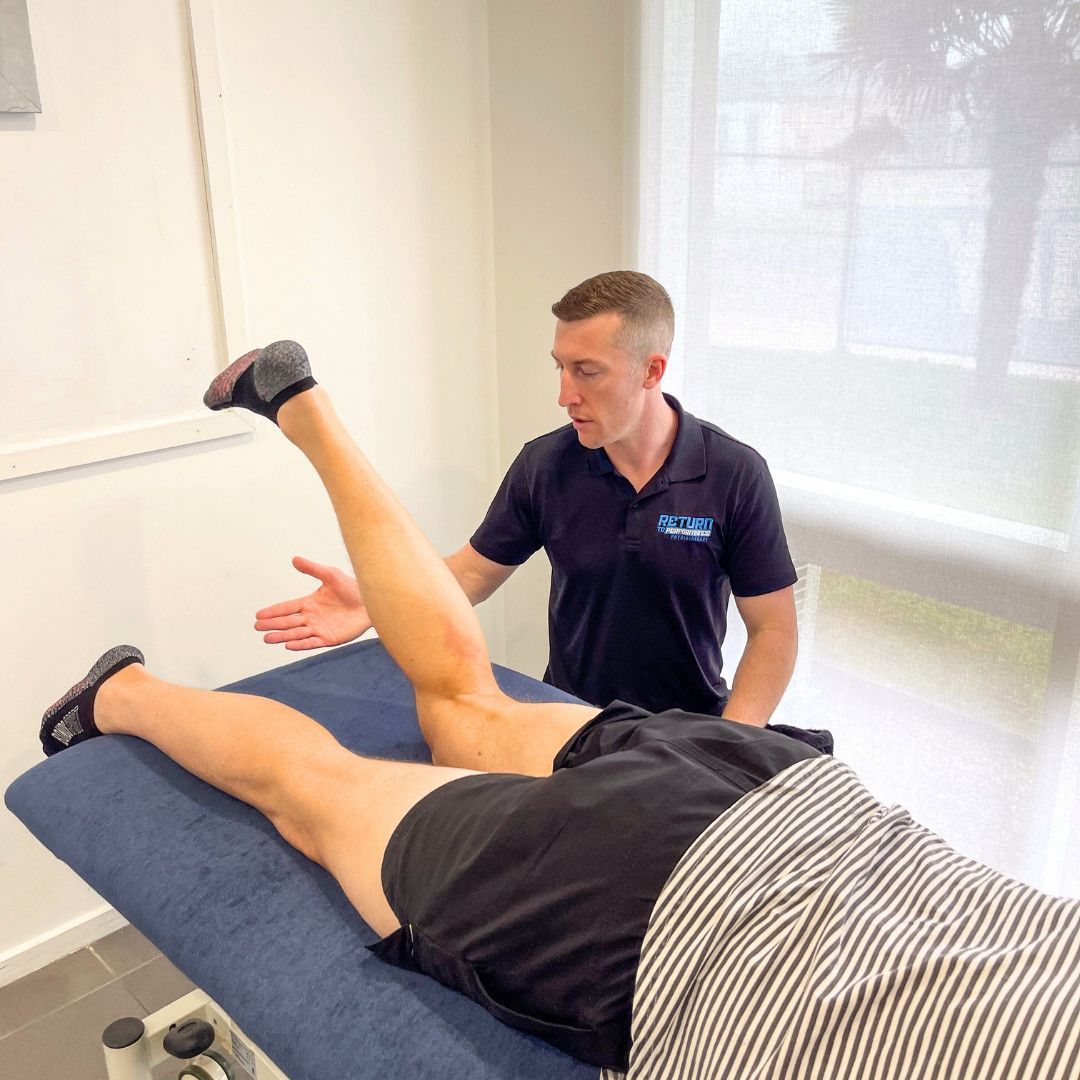
Not every physio has experience with hypermobility conditions — and seeing someone who doesn't understand EDS can actually make things worse (through inappropriate stretching, aggressive manual therapy, or overly aggressive loading).
When looking for a physio for EDS, ask:
Do they have experience with hypermobility or connective tissue disorders? Direct experience matters more than general qualifications here.
- Do they understand that stretching and end-range work are usually inappropriate? If they start adding stretching to your program, question it.
- Is the program strength-focused? Any EDS rehabilitation that isn't built around building strength is likely incomplete.
- Do they take a pacing approach? Rapid progression and high loads are a recipe for setbacks.
- Do they listen? EDS is a highly variable condition. Cookie-cutter protocols don't work. If your physio isn't adapting based on your feedback, you need someone else.
What to Expect from Treatment
Progress with EDS tends to be slower and less linear than with standard sports injuries. That's not a reason to give up — it's a reason to manage expectations and celebrate incremental gains.
Realistic outcomes with appropriate physiotherapy include:
- Reduced frequency and severity of subluxations
- Improved functional strength and stability
- Better pain management
- Increased confidence in movement and activity
- Higher activity tolerance over time
EDS is not curable. But for the vast majority of people, it is manageable — and a well-designed, EDS-aware physiotherapy program is one of the most effective tools available.
A Note on Multidisciplinary Care
For many people with EDS, physiotherapy works best as part of a broader care team. Depending on your presentation, that might include a rheumatologist, pain specialist, psychologist (particularly for chronic pain management), occupational therapist, and GP. Physiotherapy addresses the musculoskeletal and physical activity piece — but it doesn't operate in isolation.
If you're in the Bendigo area and looking for a physio who understands the nuances of complex, chronic conditions, reach out to Return to Performance Physiotherapy. We take an individualised, strength-focused approach and take the time to understand what's actually going on before we start treatment.