What Does a Good Physiotherapist Look Like? Key Qualities to Seek
There's a floor when it comes to physiotherapy. Every registered physiotherapist in Australia has completed an accredited degree, passed the registration requirements, and committed to ongoing professional development. That floor matters.
But there's a lot of space above the floor. The difference between a competent physiotherapist and a genuinely excellent one can be the difference between recovering well and spending months frustrated by slow progress.
Here's what to actually look for.
1. They Ask the Right Questions Before They Do Anything Else
A good physiotherapist is fundamentally curious about you — not just your symptom.
Before any assessment or treatment, they want to know: How did this start? What makes it better or worse? What have you already tried? What does your day-to-day life look like? What are you actually trying to get back to?
This is more than politeness. A thorough history is the foundation of sound clinical reasoning. Without it, treatment is reactive rather than purposeful. A physio who skips this to get straight to assessment and treatment is more interested in efficiency than accuracy.
2. Their Explanations Make Sense to You
A hallmark of true clinical expertise is the ability to explain complex things simply.
A good physiotherapist will tell you — in plain language — what they think is going on, why they think that, and how the proposed treatment addresses the actual problem. They don't hide behind jargon, and they don't give you vague reassurances that things will improve without explaining why.
This matters for more than just your peace of mind. Research consistently shows that patients who understand their condition have better outcomes. Understanding what's happening reduces fear, improves adherence to treatment, and puts you in a position to make informed decisions about your own care.
If you leave an appointment more confused than when you arrived, that's a communication failure on the practitioner's part.
3. They Think Progressively, Not Statically
Recovery is a moving target. A good physiotherapist designs treatment that evolves as you improve.
In practical terms, this means:
· Exercise programs that get harder as you get stronger — not the same band exercises indefinitely
· Manual therapy approaches that are adjusted based on your response
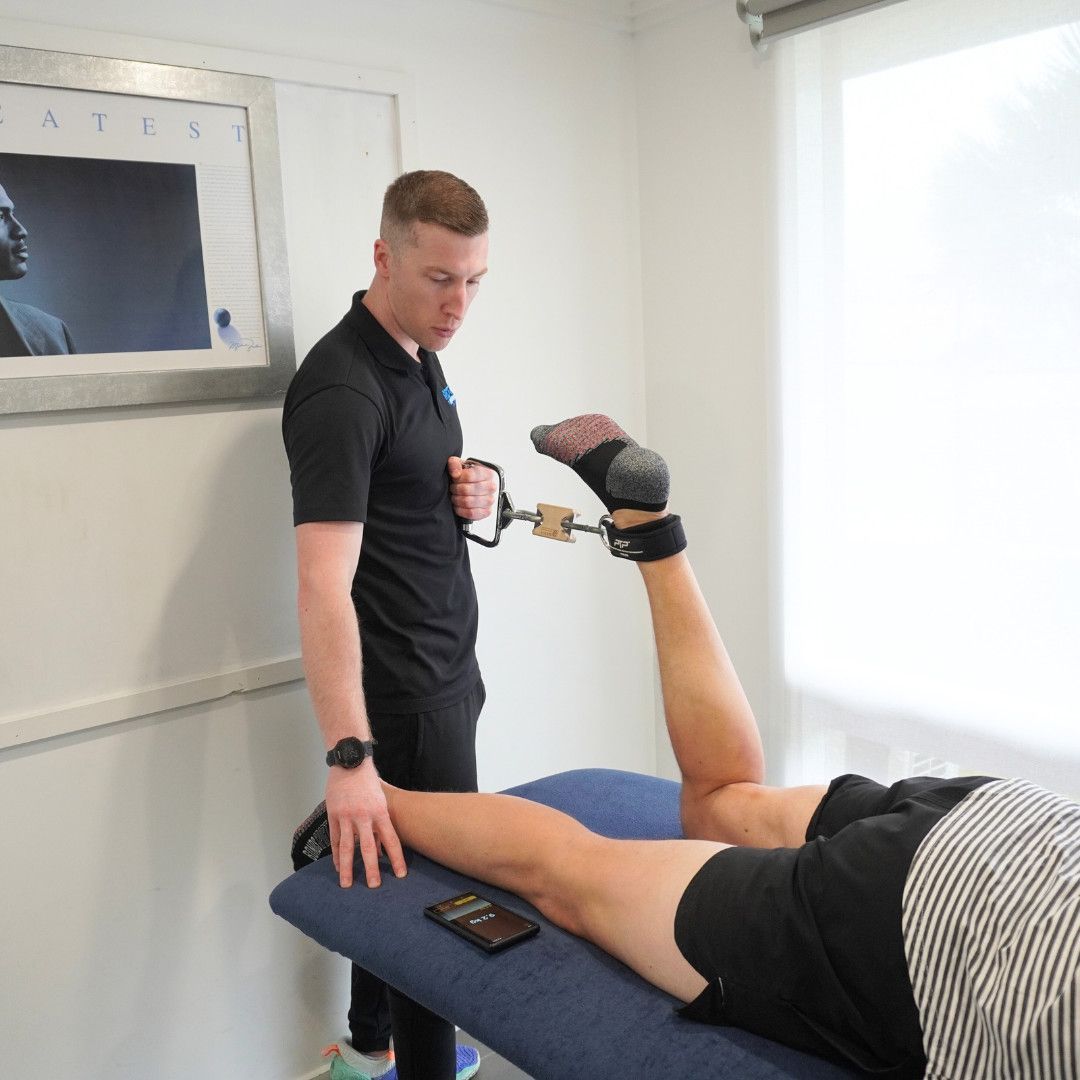
· Regular reassessment of your progress against objective markers
· A willingness to change course if the initial approach isn't working
A physio who treats you the same way in week eight as they did in week one hasn't been paying attention. You're a different patient at week eight — with different capacity, different needs, and different goals.
4. They Emphasise Active Rehabilitation
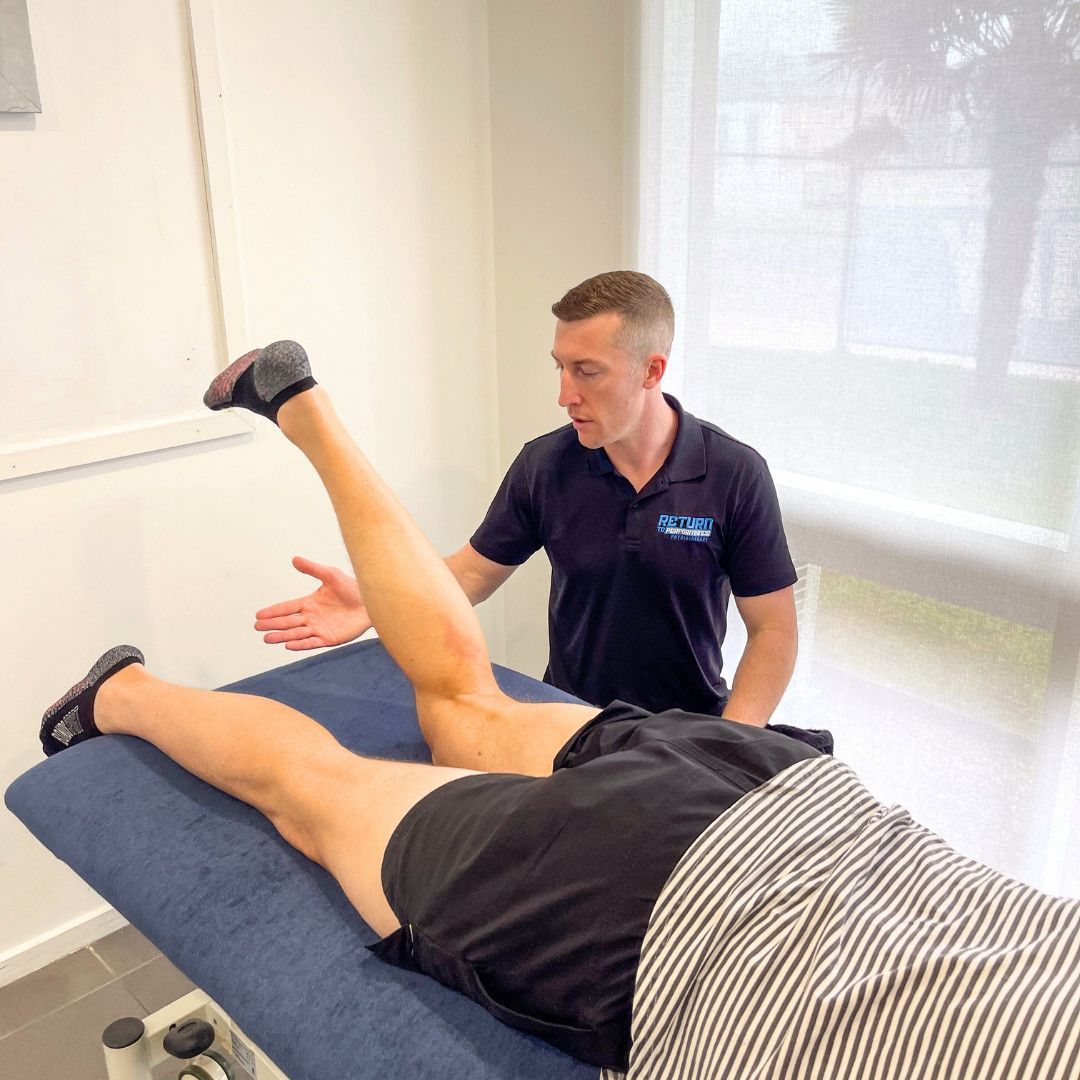
There is real value in hands-on treatment — massage, dry needling, joint mobilisation, manipulation. These techniques have their place.
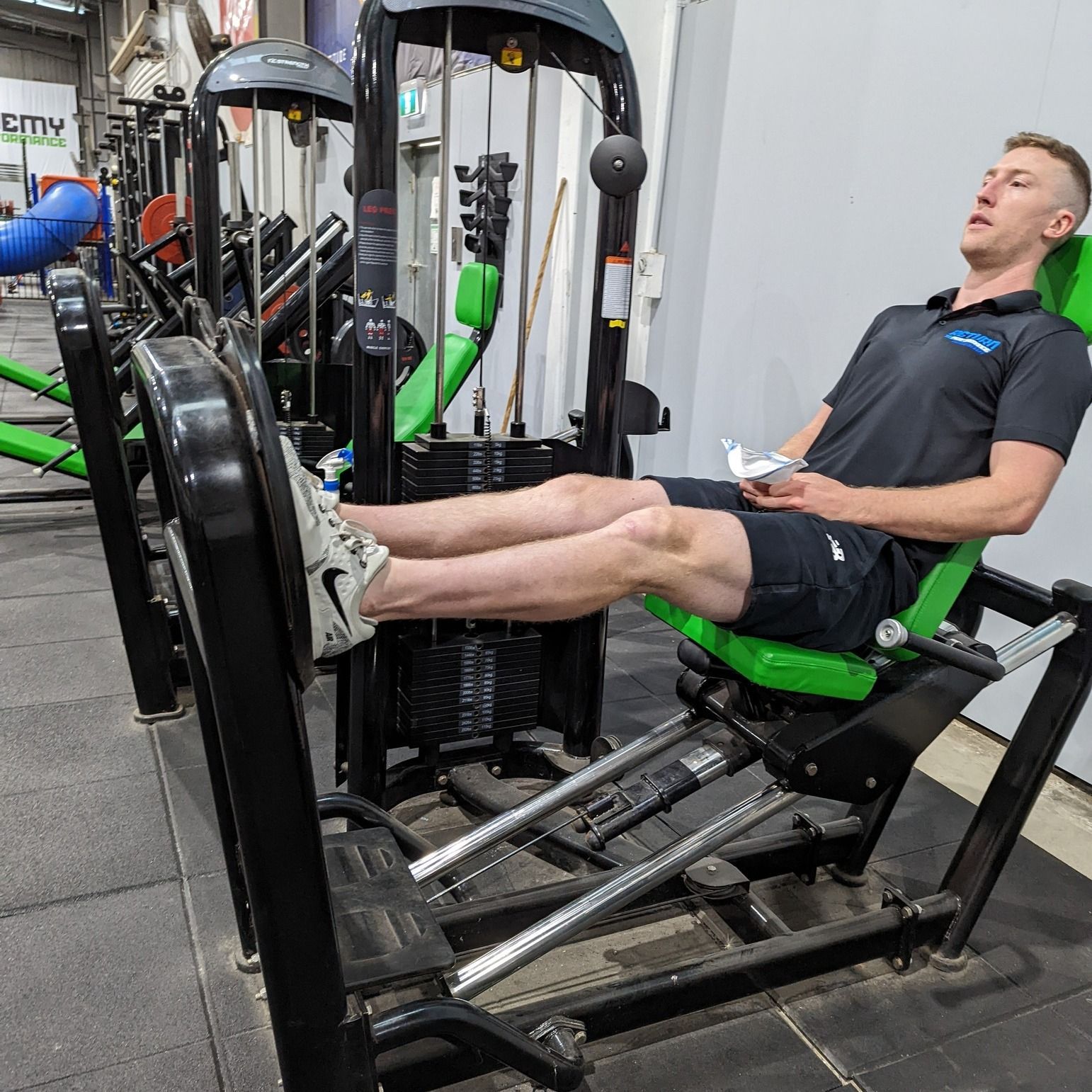
But a physiotherapist who relies entirely on passive treatment — where you're the recipient of something being done to you — is leaving the most powerful rehabilitation tools unused. Active rehabilitation, where you're building strength, improving movement, and developing capacity, produces the most durable results.
The best physios use hands-on treatment strategically — to reduce pain, improve joint access, facilitate movement — while treating exercise-based rehabilitation as the primary driver of long-term change.
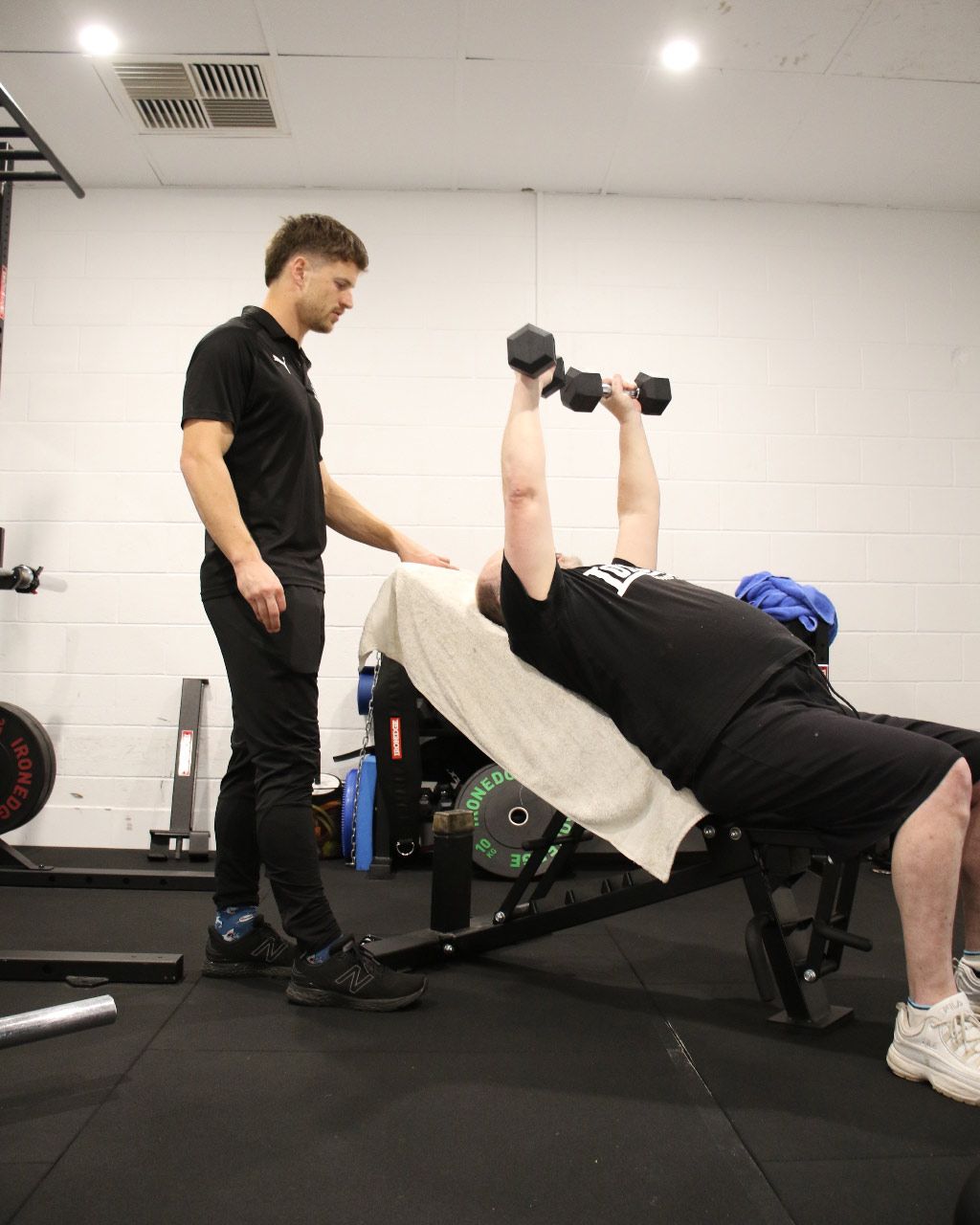
You should leave most appointments having done something physically, not just having had something done to you.
5. They're Honest About Timelines and Uncertainty
Great physiotherapists don't overpromise. They give you a realistic, honest assessment of what recovery looks like — which sometimes means acknowledging that it's going to take longer than you'd like, or that there's some uncertainty about the best path forward.
This kind of honesty is more valuable than false reassurance. It allows you to plan, to adjust expectations, and to stay motivated through the slower parts of recovery rather than feeling like treatment has failed when it hasn't.
A physio who's always optimistic and never acknowledges complexity isn't being positive — they're being imprecise.
6. They Build Your Independence, Not Your Dependence
The goal of good physiotherapy is not to create a patient who needs to come in every week indefinitely. It's to help you understand your body, develop the capacity to manage your own movement and health, and give you tools you can use independently.
This means teaching, not just treating. A great physio explains why they're doing what they're doing. They teach you to self-assess and self-manage where appropriate. They send you home with meaningful exercises that you understand well enough to do correctly.
This doesn't mean you won't need follow-up appointments — you will, especially for complex conditions. But those appointments should be moving you toward capability and self-sufficiency, not maintaining ongoing dependence.
7. They Have Relevant Expertise for Your Condition
General clinical competence matters. But for specific conditions — sports injuries, hypermobility disorders, post-surgical rehabilitation, chronic pain, neurological conditions — relevant experience and post-graduate training provide a meaningful edge.
A physiotherapist who has treated dozens of ACL reconstructions understands the nuances of that rehabilitation arc. One who has spent years working with chronic pain patients understands how central sensitisation and fear-avoidance patterns influence treatment. You don't necessarily need a specialist for every common condition, but you do want someone whose background is well-matched to your situation.
It's always appropriate to ask: "Have you treated a lot of people with my type of condition?" A good practitioner will answer honestly.
8. They Collaborate Well
The body doesn't respect professional silos, and complex conditions often require input from multiple practitioners. A great physiotherapist knows when to refer, communicates well with GPs and specialists, and works as part of your wider care team rather than operating in isolation.
They also welcome second opinions rather than taking them personally. Confident clinicians have nothing to fear from scrutiny.
9. They're Genuinely Interested in You as a Person
This one is harder to quantify but easy to feel. The best physiotherapists are genuinely interested in their patients — curious about your goals, invested in your progress, and engaged with you as a person beyond the clinical presentation.
This quality drives better clinical decisions (because they understand the context of your life, not just the mechanics of your injury), better communication (because they care whether you understand and agree), and better outcomes (because patients who feel genuinely cared for are more likely to adhere to treatment).
You'll know it when you experience it.
10. They Know Their Own Limits
Perhaps counterintuitively, the best physiotherapists are the most willing to say "I think someone else might serve you better here" or "let me refer you for imaging before we go further."
This isn't weakness — it's integrity. A clinician who will always have a plan, always have an answer, and never consider that you might need a different perspective is not as confident as they appear. They're inflexible.
Good physios know their scope, know their limits, and know that the patient's outcome matters more than their own ego.
Finding This in Practice
These qualities aren't rare — but they're not universal either. When you're assessing a physiotherapist, pay as much attention to how they communicate and how they think as to their technical proficiency.
The best physio for you is one whose clinical approach is well-matched to your condition, whose communication style suits the way you engage with healthcare, and whose goals for your treatment align with yours.
At Return to Performance Physiotherapy in Bendigo, we try to embody every one of these qualities. Transparent communication, strength-based progressive treatment, and genuine investment in your long-term capacity — not just short-term symptom relief. Book an assessment and see for yourself.
Return to Performance Physiotherapy | 41 Howard Street, Epsom VIC 3551 | [(03) 5448 5556](tel:0354485556)