What Should Happen in Your First Physiotherapy Appointment?
If you've never been to a physiotherapist before, the uncertainty of not knowing what to expect can be its own stressor. Is it going to hurt? Will they just put you on a machine? How long will it take? Will you actually leave with a plan?
First appointments vary somewhat between practitioners and conditions, but there's a clear structure that marks a thorough, high-quality initial consultation. Knowing what it should look like puts you in a better position to evaluate whether you're getting good care.
Before You Walk In
What to bring:
- Any imaging reports you have (X-rays, MRIs, CT scans) — even if they're older, they provide useful background
- A referral letter, if you have one (not required in Australia, but useful if you have one from your GP or specialist)
- Your private health insurance card or Medicare card, if relevant to payment
- Comfortable clothing that gives access to the area being assessed — if it's a shoulder, avoid tight-collared shirts; if it's a knee or hip, wear shorts or loose pants
What to note beforehand:
It helps to have thought through a few things before you arrive: when the problem started, what makes it better or worse, what you've tried already, and — importantly — what you're hoping to get back to. The more clearly you can articulate your goals, the better.
Part 1: The History — Expect 10–20 Minutes of Questions
The first thing a thorough physiotherapist does is ask questions. A lot of them.
This isn't time-filling. It's the foundation of everything that follows.
What they should ask:
- The main problem — what happened, when, and how
- Symptom description — the type of pain or limitation, where it is, whether it radiates, what it feels like
- Aggravating and easing factors — what makes it worse, what makes it better
- Previous episodes — has this happened before, and what happened then?
- Medical history — relevant conditions, medications, previous surgeries
- Social and occupational context — your job, activity level, hobbies, what matters to you
- Your goals — what does "better" look like for you specifically?
Why this matters:
The history often tells a clinician more than the physical assessment does. A thorough history shapes the clinical reasoning from the very beginning — it influences which tests are performed, how findings are interpreted, and what treatment approach makes sense.
If you're asked only superficial questions before the physio moves straight to their hands, be cautious. It suggests a template-driven approach rather than a personalised one.
Part 2: The Physical Assessment
Once they have your history, a good physiotherapist will conduct a structured physical assessment. What this includes will depend on your condition, but typically involves some combination of:
Postural and movement observation:
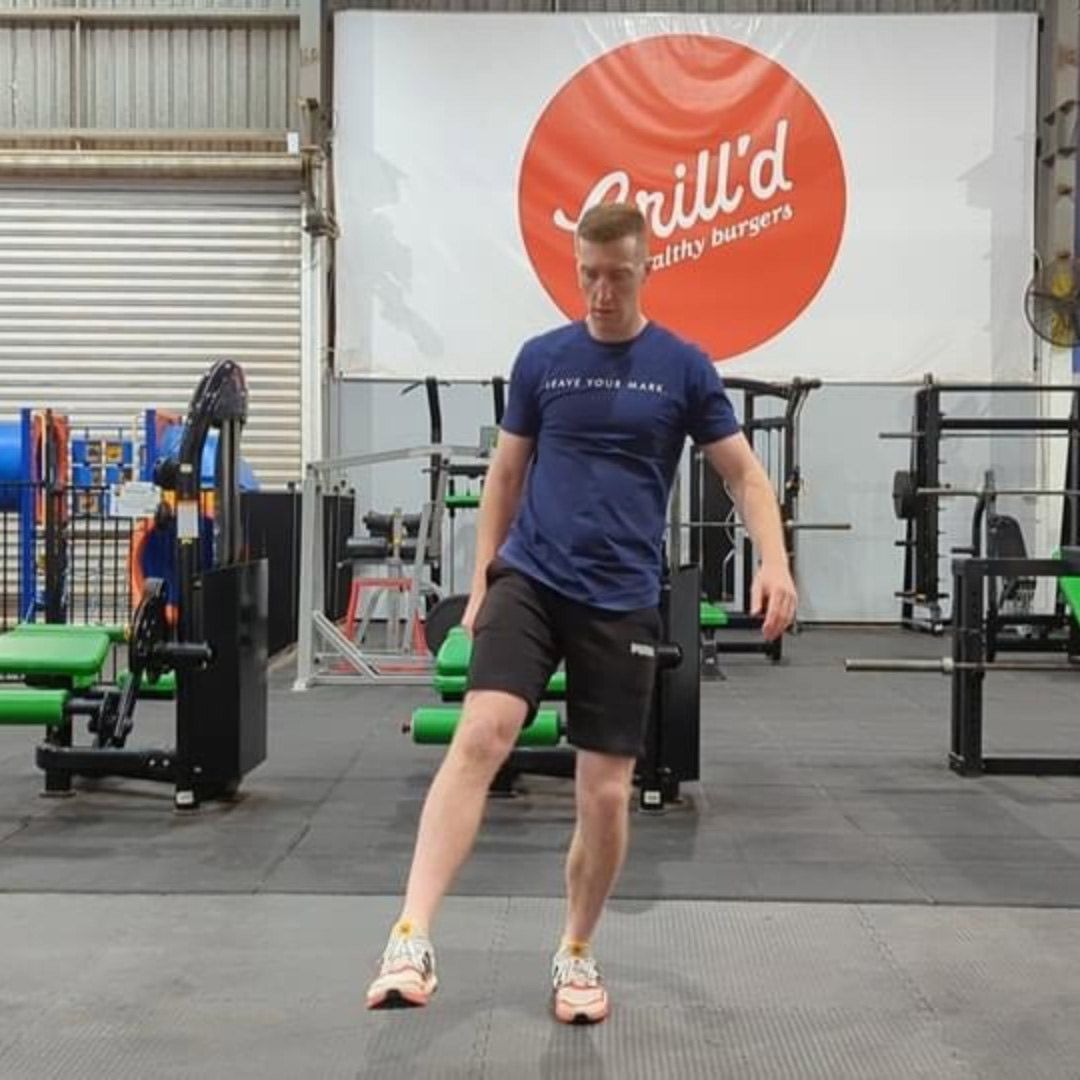
How do you stand, sit, and move? Are there compensatory patterns, asymmetries, or movement habits that might be contributing to the problem?
Range of motion testing:
Active and passive movement through the relevant joints — how far can you move comfortably, where does it restrict, and does it reproduce your symptoms?
Strength testing:
Are there muscle groups that are underperforming relative to what they should be? Weakness is a common contributor to injury and pain that often isn't the patient's primary complaint.
Special orthopaedic tests:
Specific clinical tests that help confirm or rule out particular diagnoses — stress tests, neurological screening, ligament integrity tests, and so on.
Palpation:
Hands-on assessment of the relevant structures — checking for tenderness, muscle tone, swelling, or joint mobility.
For sports and performance presentations:
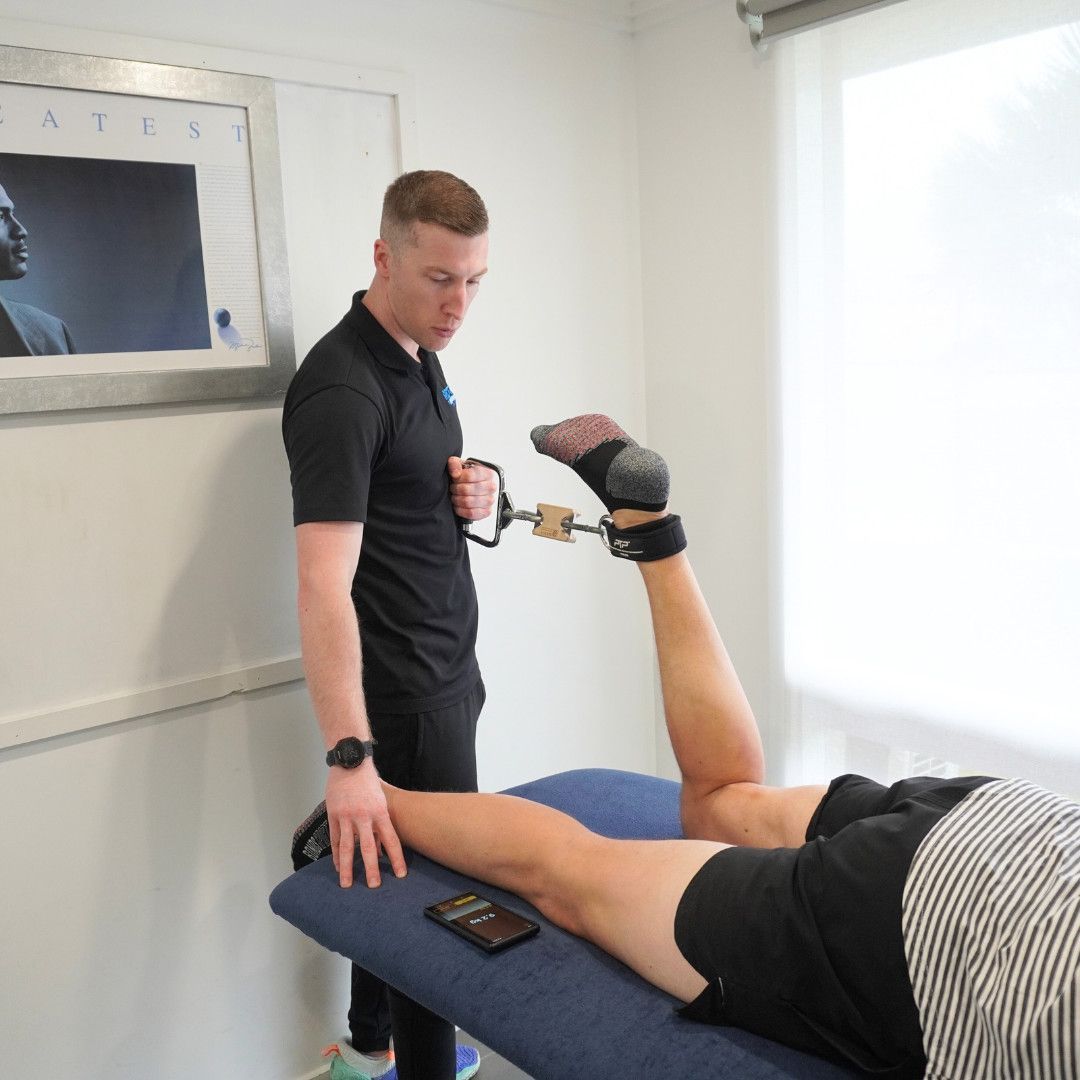
More advanced clinics may use technology — force plates, dynamometers, video movement analysis — to generate objective data about how you're moving and where deficits exist. This is particularly useful for returning athletes and people with complex presentations.
Part 3: The Explanation — This Is Where a Lot of Physios Fall Short
After the assessment, a good physiotherapist should sit down with you and explain:
- What they think is going on — their working diagnosis, in plain language, with the reasoning behind it
- Why — what's causing the problem, mechanically or functionally
- What the plan is — what treatment will involve and why those approaches are appropriate
- What the timeline looks like — a realistic range, acknowledging uncertainty where it exists
- What you need to do — the role of the work you'll do between sessions
This is not a rushed conversation. If it takes 10–15 minutes, that's appropriate. The explanation is not overhead — it's a core part of what you're paying for.
Part 4: Some Treatment — But Not Necessarily Everything at Once
Many first appointments will include some treatment, particularly if there's something that can be addressed immediately — soft tissue release, dry needling, joint mobilisation, or early exercise instruction.
However, don't expect the full treatment intervention to happen in session one. A thoughtful physiotherapist is gathering information and establishing a baseline. They may choose to do less rather than more on the first appointment, particularly if the picture is still forming or the diagnosis has some uncertainty attached.
Some first appointments may be entirely assessment and planning, with hands-on treatment beginning from session two. This is legitimate — and arguably a more careful approach than jumping straight in before the full picture is clear.
Part 5: Your Home Program — Don't Leave Without This
Before you leave, you should have something to work on. This might be:
- Two or three specific exercises to start
- A movement or activity modification — something to do differently in your daily life
- A clear guideline on what to expect in the coming days (some soreness is normal; what isn't)
- Guidance on anything to avoid while things settle
If a physiotherapist sends you home from a first appointment with nothing to do until next time, that's a missed opportunity at best and a structural red flag at worst. Recovery that only happens in the clinic is slow recovery.
What Shouldn't Happen in a First Appointment
A few things that should raise eyebrows:
- No real history taken — jumping straight to hands-on work without understanding you first
- No explanation of findings — walking you through treatment without telling you what they found or why
- An overly certain prognosis — guaranteeing you'll be "sorted" after X sessions without any clinical basis
- Excessive use of passive modalities — ultrasound, TENS, heat packs — as the primary content of a first session
- No exercises or home program — sending you away with only a follow-up booking
After Your First Appointment: A Useful Check
When you leave, ask yourself:
- Do I understand what's going on with my body?
- Do I have a clear plan?
- Do I know what I need to do before next time?
- Do I feel like this person listened to me and understood my situation?
If the answer to all four is yes, you're in good hands. If you answered no to any of them, it's worth raising it at your next appointment — or reconsidering whether this is the right fit.
At Return to Performance Physiotherapy, we take first appointments seriously. You'll get a thorough history, a structured assessment, a clear explanation, and a program to start on from day one. Book your initial assessment at our Epsom clinic, or call (03) 5448 5556.